 New Jersey Injury Lawyers Blog
How Social Media Activity Can Sabotage Your Personal Injury Case


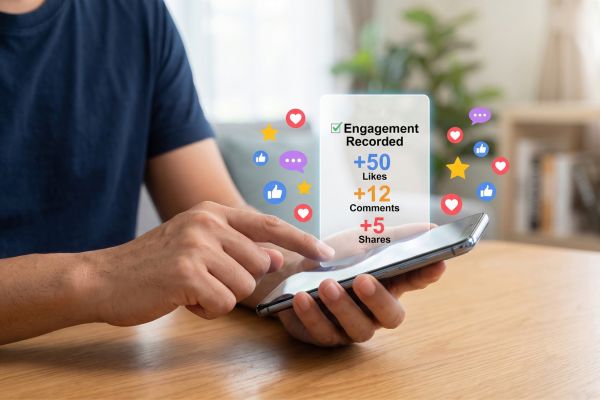 Even seemingly innocent social media posts may have a negative impact on your personal injury case. Both defense attorneys and insurance adjusters will monitor the social media profiles of plaintiffs, looking for activity that contradicts their injury claims. For example, posts that have nothing to do with your accident can be used against you.
- Photos or videos showing you being physically active can contradict claims of constant and severe pain, decreased mobility, or loss of function, and imply that you are exaggerating the severity of the injury.
- Check-ins and location tags can lead to questions about how significantly the injury has affected your mobility.
- Attendance at parties, concerts or other fun activities can lead others to doubt claims of pain and suffering or emotional distress.
Posting about the accident itself can also backfire. Discussions regarding fault, speculation as to cause, and updates on your legal proceedings can undermine your credibility and bring into question your motivation.
Courts have ruled that social media activity is admissible as evidence and can be used to refute statements, challenge claims of damage, evaluate the injury’s impact on the plaintiff’s lifestyle, and determine fault, all of which can weaken and diminish the value of your case.
You should set all your accounts to private after an incident; however, insurance companies and defense counsel can still gain access to your accounts during discovery. Your best action would be to:
- Avoid posting at all until you have resolution of your case.
- Leave old posts alone; deleting them can be seen as an attempt to destroy evidence which itself has legal consequences.
- Tell friends and family members not to post about you or your situation and to avoid tagging you while your case is ongoing.