 New Jersey Injury Lawyers Blog
Bill Seeks to Increase Fines for Failure to Keep Right



We have all been stuck behind that driver who sits in the left lane blocking other cars from passing. Soon, however, those drivers may face higher fines if a bill recently passed by both the State Senate and General Assembly gets Gov. Chris Christie’s approval. (1)
According to New Jersey’s Driver Manual, drivers are required to “keep to the right, except when passing.” State law requires motorists to drive in the right-hand lane when such a lane is available for travel, except when preparing to make a left-hand turn or when overtaking another vehicle. (2)
Although the law has been on the books for a long time, it seems few drivers pay it any attention, if they are even aware of it. While the State Judiciary reported that 4,233 tickets were issued last year for failure to keep right, State Police have said drivers usually are not cited for this violation unless they continue to drive in the left lane for three miles or more. (3)
 As schools wound down for their summer break, local law enforcement agencies took steps to help ensure a safe summer for everyone. In High Bridge, local police officers visited students during the last days of class to review safety tips, including bicycle safety laws. One South Jersey town took a somewhat more creative approach by issuing “friendly tickets” to all children caught wearing safety helmets while riding their bikes. The tickets entitle holders to a free water ice.
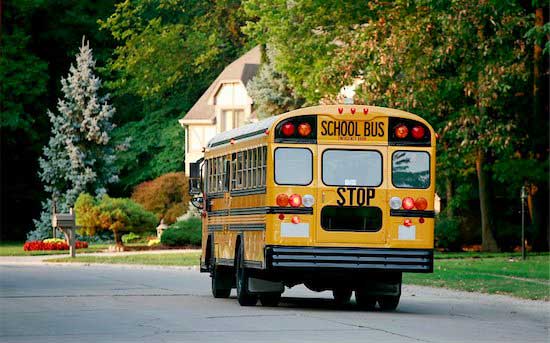 School may be coming to a close for the year but attempts are already underway to increase the safety of school buses for our children when they return to class next September.
 A week (in 2013, May 19 through May 25) has been named National Dog Bite Prevention Week and with good reason. Each year, close to 5 million people suffer
 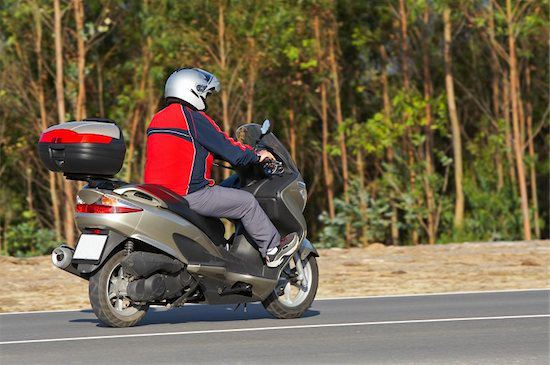 Springtime and its milder weather attract more motorcyclists to the roads, and more vehicles on the road means a greater chance for accidents. Unfortunately, data shows that the fatality rate for motorcycle accidents nationwide has increased for the 14th time in the last 15 years. (1)
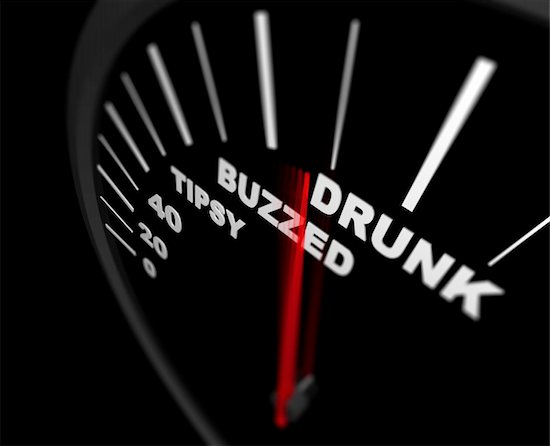 The U.S. Supreme Court recently handed down a ruling that could affect how states across the nation test drivers suspected of
  Spring weather has finally arrived in Hunterdon County and with that comes thoughts of outdoor activities. For some, that means hitting the water. Boating enthusiasts need to take special care this time of year because, while air temperatures may be getting warmer, water temperatures have yet to catch up, posing extra dangers. Staying safe in the cold water may take a little more than simple adherence to maritime laws.
 Most teenagers cannot wait to get their driver’s license, but a little patience can avoid years of frustration as one New Jersey teen learned recently.